
Every second counts in a medical emergency. Whether someone collapses at work, a child chokes at home, or a road accident happens in front of you, knowing what to do can mean the difference between life and death. First aid training gives you the skills, confidence, and knowledge to act fast and help save lives.
In the UK, first aid awareness is growing rapidly. Employers, schools, and individuals are recognizing that having trained first aiders is not just a legal requirement. It is a moral responsibility.
This guide explains what first aid training is, why it is important, who needs it in the UK, and how to get certified.
What Is First Aid Training?
First aid training is a structured program that teaches individuals how to provide immediate medical assistance to someone who is injured or suddenly ill. The training covers a range of life-saving skills, from basic techniques like CPR and wound care to managing serious conditions like heart attacks, strokes, and anaphylaxis.
In the UK, first aid courses are governed by guidelines from the Health and Safety Executive (HSE) and recognized awarding bodies. Courses range from short awareness sessions to full multi-day qualifications.
There are two primary first aid qualifications regulated by the HSE.
Emergency First Aid at Work (EFAW) is a one-day course suitable for low-risk workplaces.
First Aid at Work (FAW) is a three-day course for higher-risk environments, covering a wider range of emergencies.
Both qualifications are widely accepted across industries in the UK and must be renewed every three years.
Read more: What is an Appointed Person in Workplace First Aid Rules?
Why Is First Aid Training Important in the UK?
1. It Saves Lives
The most important reason to learn first aid is simple. It saves lives. Cardiac arrests, severe bleeding, and choking can all be fatal within minutes if no one nearby knows what to do. Early intervention by a trained first aider dramatically increases survival rates.
According to the British Heart Foundation, over 30,000 out-of-hospital cardiac arrests occur in the UK every year. Bystander CPR can more than double the chances of survival.
2. It Is a Legal Requirement for Employers
Under the Health and Safety (First Aid) Regulations 1981, every UK employer must make adequate first aid provision for their employees. This means having a sufficient number of trained first aiders on site at all times.
Failing to comply can result in fines, legal action, and reputational damage. Having trained staff protects your business and your people.
3. It Builds Confidence to Act Under Pressure
Many people freeze in an emergency because they do not know what to do. First aid training removes that uncertainty. You learn step-by-step procedures so that in a real emergency, you can act calmly and effectively, even under pressure.
4. It Reduces the Severity of Injuries
Quick and correct first aid can prevent a minor injury from becoming a major one. Applying the correct pressure to a wound can stop life-threatening blood loss before an ambulance arrives. Stabilizing a broken bone correctly prevents further damage.
5. It Creates Safer Workplaces and Communities
Trained first aiders make every environment safer, whether that is an office, a construction site, a school, or a public event. Communities with more trained individuals are more resilient in emergencies.
Who Needs First Aid Training in the UK?
First aid training is relevant for almost everyone. However, the following groups have a particular need or legal obligation.
Employers and Employees
All UK businesses must assess their first aid needs. The size of the workforce, the nature of the work, and the risk level all determine how many trained first aiders are needed and what level of training is required.
Teachers, School Staff, and Childcare Workers
Schools and childcare settings in the UK must have adequate first aid provision. Ofsted inspections check whether staff hold valid first aid certificates. Pediatric first aid training is specifically designed for those working with children and infants.
Sports Coaches and Event Staff
Sports coaches, gym instructors, and event staff regularly deal with physical activities where injuries are more likely. First aid training helps them manage sports injuries, heat exhaustion, and sudden collapses.
Construction and Manual Workers
High-risk industries like construction, manufacturing, and utilities are legally required to have multiple trained first aiders due to the increased risk of serious injuries on site.
Parents and Caregivers
Even outside of work, knowing first aid is invaluable. Parents who learn how to manage choking, febrile seizures, allergic reactions, and burns can protect their children when seconds matter.
What Do You Learn in a First Aid Course?
A standard first aid training course in the UK covers a wide range of topics. Here is what you can expect to learn.
CPR (Cardiopulmonary Resuscitation) teaches you how to perform chest compressions and rescue breaths for adults, children, and infants.
AED (Automated External Defibrillator) Use shows you how to operate a defibrillator during a cardiac arrest emergency.
Choking management covers how to help a conscious or unconscious choking victim.
Severe Bleeding Control teaches how to stop blood loss using direct pressure and wound packing.
Burns and Scalds Treatment explains how to treat minor and major burns correctly.
Fractures and Sprains covers how to immobilize and support an injured limb.
Stroke Recognition uses the FAST method, which stands for Face, Arms, Speech, and Time.
Anaphylaxis and allergic reactions include using an EpiPen and managing severe allergic responses.
Asthma Attack Response teaches how to assist someone having an asthma episode.
Diabetic emergencies cover recognizing and managing hypoglycemia.
Unconscious Casualty Management includes the recovery position and airway management.
Types of First Aid Courses Available in the UK
There are several types of first aid courses available to suit different needs, roles, and industries.
Emergency First Aid at Work (EFAW) is a one-day course that is ideal for low-risk workplaces such as offices and retail environments.
First Aid at Work (FAW) is a three-day course that covers a broader range of skills. It is required for higher-risk environments.
Pediatric First Aid is a two-day course designed for those working with children and infants, including nursery and school staff.
Mental Health First Aid focuses on recognizing and supporting mental health crises in the workplace.
The annual First Aid Refresher is a half-day or one-day refresher course to keep skills and knowledge up-to-date between full recertifications.
Online or blended first aid courses combine e-learning theory with face-to-face practical assessments. These are approved for some regulated sectors.
How Long Does First Aid Training Last?
A first aid certificate in the UK is valid for three years. After this period, candidates must complete a full requalification course to remain certified.
It is recommended to take an annual refresher course to keep skills sharp and stay updated on any changes to guidelines. The Resuscitation Council UK periodically updates CPR guidelines, and refreshers ensure you are always practicing the most current techniques.
How to Choose the Right First Aid Training Provider
Choosing a quality training provider is essential. Here is what to look for when selecting a course.
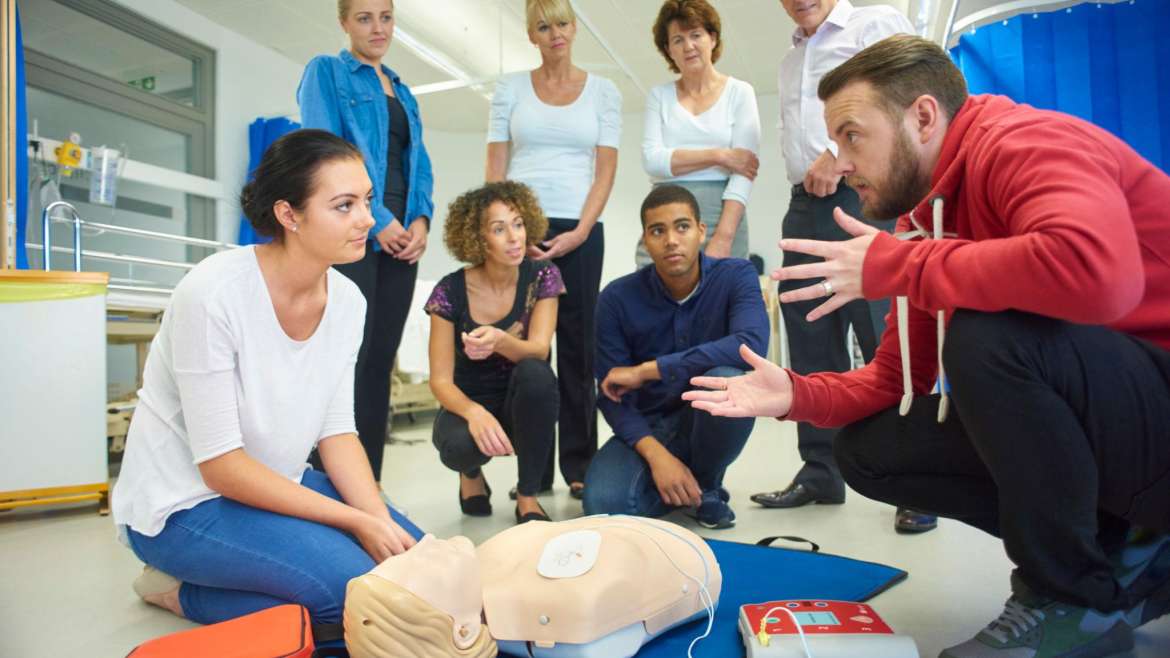
You should ensure the provider delivers HSE-compliant courses that follow Health and Safety Executive guidelines. Look for regulated qualifications recognized by an Ofqual-approved awarding body. Choose a provider with experienced instructors who have real-world emergency care experience. Good courses include practical hands-on training with mannequin-based CPR practice, scenario exercises, and AED drills. Finally, check whether the provider offers flexible scheduling on weekdays, weekends, or at your own premises.
At QuizTraining, we offer fully accredited, practical first aid training across the UK. Our courses are delivered by experienced instructors and are suitable for individuals, teams, and organizations of all sizes.
Read more: About QuizTraining
The Cost of Not Having First Aid Training
The cost of running a first aid course is minimal compared to the consequences of being unprepared.
Without trained first aiders, casualties may suffer worse outcomes due to delayed treatment. Employers face legal penalties for failing to comply with HSE regulations. Businesses can face civil claims if an employee or visitor is harmed and first aid was not available. Staff morale can also drop when employees do not feel safe at work.
Investing in first aid training for your team is one of the most cost-effective safety decisions any employer can make.
Get Certified with QuizTraining
QuizTraining provides accredited first aid training courses across the UK for individuals, workplaces, schools, and community groups. Whether you need a one-day emergency first aid at work certificate or a full three-day first aid at work qualification, we have the right course for you.
Our training is practical, engaging, and delivered by certified professionals with real-life emergency experience.
Book your place today and gain the skills to save a life when it matters most.
Frequently Asked Questions
Emergency First Aid at Work (EFAW) is a one-day course designed for low-risk workplaces. First Aid at Work (FAW) is a three-day course with more comprehensive content for higher-risk environments such as construction sites or manufacturing facilities. The right course depends on your workplace risk assessment.
Yes. Under the Health and Safety (First Aid) Regulations 1981, all UK employers must provide adequate first aid facilities and trained personnel. The number of trained first aiders required depends on the size of the workforce and the nature of the work.
A first aid certificate issued in the UK is valid for three years. After three years, you must complete a requalification course. Annual refresher training is recommended to keep skills current and aligned with the latest resuscitation guidelines.
Some elements of first aid training can be completed online as part of a blended learning program. However, the practical elements such as CPR, AED use, and casualty management must be completed in person. Fully online-only first aid courses are not accepted as valid qualifications by HSE for workplace purposes.
First aid courses must be delivered by qualified trainers who hold a recognized first aid trainer qualification. Courses should be provided through a training organization that uses qualifications regulated by an Ofqual-recognized awarding body to ensure the certificate is accepted by employers and regulatory bodies.