
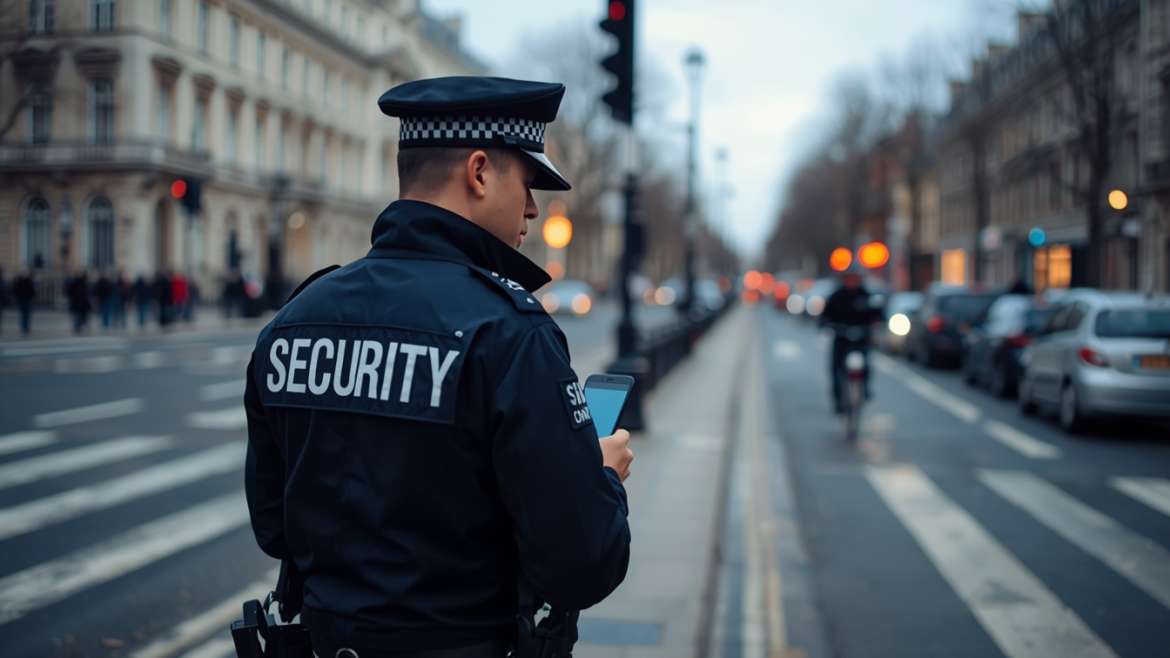
Thinking about a career in security but not sure where to begin? You are in the right place. The UK security industry is one of the fastest-growing sectors in the country right now, and it is actively hiring. Whether you want to work the door at a London nightclub, monitor CCTV cameras for a retail chain, or protect a corporate building, there is a clear path to get there, and it all starts with the right training.
This guide covers everything a complete beginner needs to know: qualifications, how to get them, and first steps.
Why the UK Security Industry is Worth Considering
Let’s be straight with you; this is not a glamorous desk job. But it is a genuinely rewarding career that offers real job security, flexibility, and room to grow. Here is what makes it worth your time:
- The UK private security sector employs over 350,000 licensed professionals
- Demand is rising year on year, especially in London and major cities
- You can be job-ready in as little as one to two weeks
- The work suits people who prefer action over sitting at a desk
- Career progression is real, from door supervisor to site manager to running your own firm
If you want a career change that doesn’t require years of study and debt, security is one of the most practical options.
Do You Need a Licence to Work in Security?
Yes, absolutely. In the UK, you cannot legally work in most security roles without holding a valid Security Industry Authority (SIA) license. The SIA is the government body that regulates the private security industry, and they set the standards everyone must meet.
Working without a license is illegal and can result in heavy fines for both you and your employer. So getting licensed is not optional; it is step one.
The most common licenses are
- Door Supervisor License: for working in bars, clubs, events, and licensed premises
- Security Guard License: for retail, corporate, and construction site security
- CCTV Operator License: for monitoring surveillance systems
- Close Protection License: for personal protection and bodyguard roles
For most beginners, the door supervisor license is the best starting point. It is more versatile and opens more doors than a standard security guard license.
What qualifications do you need before applying for your SIA license?
To apply for your SIA license, you need to complete an SIA-approved training course. The qualifications are awarded by recognized awarding bodies, and your training center must be officially approved to deliver them.
Here is what most entry-level security roles require:
1. SIA Door Supervisor Course
This is the flagship qualification for anyone entering the security sector. The full course takes around 6 to 7 days and covers everything from legal responsibilities and conflict management to physical intervention and emergency response.
At Quiz Training, our SIA door supervisor training in London runs over 7 days and is designed to give you both the confidence and the practical skills to handle real-world situations. You will leave fully prepared to apply for your SIA license right away.
2. First Aid Certification (EFAW)
Since 2021, you must hold an Emergency First Aid at Work (EFAW) certificate before you can sit your door supervisor exams. This is a 3-day course that teaches CPR, wound management, and how to respond in medical emergencies.
The excellent news is that many security training courses in London online and in person now bundle first aid into the package, saving you time and money. Our First Aid Training at Quiz Training costs just £150 and takes 3 days—it is one of the most affordable ways to get this mandatory qualification ticked off.
3. SIA CCTV Training (if relevant)
If you are leaning towards a CCTV operator role rather than frontline security, you will need a separate CCTV operator license. Our SIA CCTV training course is a 3-day program that covers everything from operating surveillance systems to data protection law and evidence handling.
This is a great option if you prefer a role that is less physical but still vital to public safety. CCTV operators work in retail environments, transport hubs, local councils, and corporate offices — and the demand for skilled operators is growing fast.
Can You Do Security Certification Courses Online?
This is one of the most common questions we get, and it deserves an honest answer.
The SIA allows a blended learning approach, which means you can complete the theory parts of your training online before attending in person for the practical assessments. However, you cannot get a fully online SIA license—any provider claiming to offer a 100% online door supervisor or security guard qualification is not offering an accredited course.
Physical intervention, first aid, and conflict management must be assessed face-to-face. That is a requirement, not a preference.
What you can do online:
- Complete the theory modules for the ‘Working in the Private Security Industry’ unit
- Study at your own pace before attending the practical sessions
- Take mock tests and revision materials to prepare
If you are searching for security certification courses online, make sure any provider you choose is SIA-approved and transparent about which parts require in-person attendance. Taking shortcuts here will cost you more time in the long run.
How to Choose the Right Security Training in London
London has dozens of training providers, and the quality varies significantly. Here is what to look for when choosing where to train:
Check SIA Approval
Your training center must be listed as an SIA-approved center. Quiz Training is fully SIA-approved, and all our courses meet the latest Home Office standards. This is not something you want to skip if your training center is not approved, your qualification will not count.
Look for Real Instructors with Industry Experience
There is a big difference between someone who has read about security and someone who has actually worked the door or monitored CCTV in a live environment. At Quiz Training, all our trainers have real-world security experience. They do not just teach the theory — they share what actually happens when you are on the job.
Check What is Included in the Price
Some providers advertise a low course fee but charge extra for registration, certificates, or retakes. Our pricing is transparent. You see exactly what you are paying for upfront, with no surprise costs at the end.
Consider Location and Schedule
If you are working while training, flexibility matters. Our security training courses in London run on schedules that suit working adults, and we operate from a convenient location in Barking easily accessible from across London via public transport.
Step-by-Step: How to Start Your Security Career
Let’s make this simple. Here is precisely what you need to do:
Step 1: Book your First Aid (EFAW) course. You need this before your main security exams.
Step 2: Enroll in your SIA Door Supervisor or CCTV course at an approved training center.
Step 3: Complete your training and pass your assessments.
Step 4: Apply for your SIA licence through the SIA website (you will need your certificates, ID, and a fee of around £190).
Step 5: Start applying for security jobs. Many employers start the hiring process before your physical badge even arrives.
The whole process, from starting training to landing your first job, typically takes between four and eight weeks for most people. That is faster than almost any other vocational career path.
What Happens After You Get Your License?
Getting your SIA license is just the beginning. Here is what your first few years in the industry can look like:
Your First Role
Most new security professionals start as door supervisors or security officers. These roles give you the experience you need to progress. The pay varies, but London rates for licensed door supervisors typically start from £12 to £16 per hour, with experienced supervisors earning more.
Keeping Your Licence Active
Your SIA licence lasts for three years. Before it expires, you need to complete a top-up (refresher) course to renew it. This is a 2-day program that updates your skills on the latest legislation, counter-terrorism awareness, and physical intervention techniques.
Our SIA Refresher Training in London covers all the current Home Office requirements and makes the renewal process straightforward. Missing this deadline means your licence lapses and you cannot work legally—so put the renewal date in your diary from day one.
Career Progression
Once you have a few years of experience under your belt, the options open up considerably:
- Senior Door Supervisor or Team Leader
- Security Site Manager
- Close Protection Officer (bodyguard) requires additional training
- Security Consultant
- Running your own security firm
Many people who start as door supervisors end up managing entire security operations or building their own companies. The ceiling is higher than most people realize when they start out.
Common Mistakes Beginners Make (and How to Avoid Them)
Choosing an Unaccredited Training Provider
This is the most costly mistake. If your training center is not SIA-approved, you waste your money and your time. Always verify approval before booking.
Forgetting the First Aid Requirement
Many beginners book their door supervisor course without realizing they need their EFAW certificate first. Sort this out early—ideally book both at the same time so you are not delaying your start date.
Letting the Licence Lapse
Three years goes quickly. Set a reminder 6 months before your licence expires to book your refresher course. Working with an expired licence is illegal and can damage your career permanently.
Not Researching the Employer
Not all security companies are equal. Some have poor practices and high staff turnover. Ask around, read reviews, and talk to other security professionals before accepting a job offer.
Conclusion
Starting a career in security is one of those decisions that can genuinely change your life, and the barrier to entry is lower than most people think. You do not need a degree, years of experience, or a big budget. What you do need is the right training from a provider you can trust. At Quiz Training, we have helped hundreds of people across London take that first step, people who walked in as complete beginners and walked out with the qualifications, confidence, and licence to build a real career. The UK security industry is growing, employers are hiring, and your SIA licence is closer than you think. All you have to do is start.
Frequently Asked Question
No experience is required for SIA Door Supervisor or Security Guard courses. They’re open to beginners with no law enforcement or military background. If you’re over 18, eligible to work in the UK, and pass a basic criminal record check, you can enroll right away. Quiz Training welcomes people from all backgrounds, including career changers new to security.
Training takes 3 to 10 days (door supervisor: 7 days, first aid: 3 days). After applying, the SIA usually processes licences within 25 working days. Most people get their badge in 6 to 8 weeks, making it one of the fastest licensed career paths in the UK.
The cheapest option is to choose a provider that bundles First Aid with your main course. At Quiz Training, First Aid starts from £150 and the Door Supervisor course is £250 + VAT—much lower than some London providers charging £400–£600. Always make sure the provider is SIA-approved before booking.
Partly. You can complete theory online, but practical elements like physical intervention, first aid, and conflict management must be done in person. Fully online SIA courses are not accredited—always check before paying.
SIA qualifications are the same across the UK, and your licence is valid nationwide. However, training in London offers more course options, flexible schedules, and a larger job market—so many students find work quickly after qualifying.
An SIA licence lasts 3 years. To renew, you must complete a top-up course before it expires, including updated safety modules and a valid First Aid certificate. Don’t let it lapse, working without a valid licence is illegal.