If you’re exploring a career in the UK’s private security industry, choosing the right Security Industry Authority (SIA) training is one of the most important decisions you’ll make. Two of the most popular entry-level qualifications are the SIA CCTV Operator and SIA Door Supervisor courses. Each course leads to distinct career opportunities, requires different skills, and serves unique environments. So, how do you decide which is the best fit for you?
In this blog, we’ll take a close look at SIA CCTV vs Door Supervisor courses in the UK, comparing training content, license costs, physical demands, earning potential, and future career paths. Whether you’re just starting out or transitioning into a new sector, this guide will help you choose a route that aligns with your goals and strengths.
Understanding the SIA and Why It Matters
The Security Industry Authority (SIA) is the official government body responsible for regulating the private security sector in the UK. Anyone who wishes to work legally in licensable roles like door supervision or CCTV surveillance must hold a valid SIA license. This ensures a standard of training and trustworthiness across the industry, protecting both employers and the public.
SIA licenses are required for a wide range of roles, including manned guarding, close protection, public space surveillance, and event security. The two most sought-after entry points are the CCTV Operator (Public Space Surveillance) and Door Supervisor licenses.
What Is the SIA CCTV Operator Course?
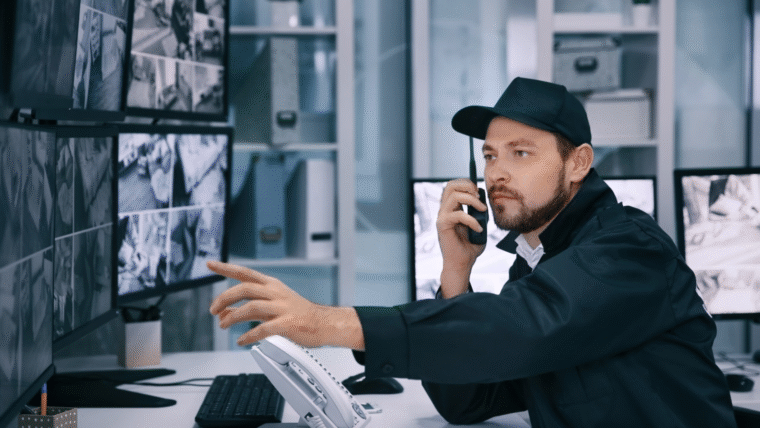
The SIA CCTV Operator course is designed for individuals who want to work in control rooms and monitor public spaces through Closed Circuit Television (CCTV) systems. It’s a great choice for those who prefer a behind-the-scenes role that involves observation, report writing, and handling video evidence.
This course typically lasts three days and covers essential knowledge about CCTV operations, surveillance laws, data protection, and coordinating with emergency services. One of the major benefits of CCTV training is that the job is generally low in physical demands, making it ideal for those who prefer desk-based roles or remote monitoring environments.
You’ll learn how to operate CCTV equipment effectively, follow legal and procedural guidelines, record incidents, and respond to security breaches. Completing this course makes you eligible to apply for a Public Space Surveillance (PSS) licence from the SIA.
What Is the SIA Door Supervisor Course?
The Door Supervisor course prepares you for frontline security roles, especially in licensed venues such as pubs, nightclubs, sporting arenas, and concerts. Unlike CCTV operators, door supervisors interact directly with the public and are often responsible for managing entry, handling conflict, and diffusing tense situations.
The course spans four days and includes modules on conflict resolution, physical intervention techniques, customer service, and emergency procedures. Once you pass, you can apply for the Door Supervisor licence, which is more versatile than the CCTV license because it also allows you to work as a static or mobile security guard in non-licensed premises.
This course is ideal for individuals who are physically active, have strong people skills, and are comfortable in dynamic or high-energy environments. It’s a great pathway if you’re aiming for a fast-paced role with opportunities for overtime, night shifts, and event-based work.
SIA CCTV vs Door Supervisor Courses UK: A Side-by-Side Comparison
Let’s compare the two courses across several key aspects to help you determine which one best suit your needs.
- Training Duration: The CCTV course usually takes 3 days, while the Door Supervisor course runs for 4 days due to the inclusion of physical intervention modules.
- Work Environment: CCTV operators typically work indoors in control rooms, while door supervisors operate in more active, public-facing environments.
- License Cost: Both licenses cost around £190, but training fees may vary—CCTV training ranges from £180–£250, while door supervision training typically ranges from £200–£300.
- Physical Demands: Door supervision involves patrolling, standing for long hours, and occasionally dealing with aggressive behavior, whereas CCTV roles are more static and office based.
- Conflict Management: A core part of the Door Supervisor course, this skill is less emphasized in CCTV training.
- Job Flexibility: A Door Supervisor license covers more types of roles (including security guarding), making it more adaptable in the long run.
Career Paths and Opportunities
CCTV Operator Roles
Once licensed, CCTV operators can find employment in local authority in control rooms, shopping malls, office complexes, residential estates, hospitals, and transport hubs. This role is often associated with fixed working hours and a less physically intense environment. It’s ideal for individuals who are analytical, observant, and detail oriented.
Door Supervisor Roles
A Door Supervisor license opens doors to roles in nightlife security, live events, retail security, corporate receptions, and concierge services. It’s an excellent foundation if you’re planning to progress into team leadership, security management, or event coordination.
Because of the broader job scope, door supervisors generally have a higher earning potential, especially when working in licensed premises during evenings and weekends.
Cost Comparison: Is One More Affordable?
Both SIA licenses cost around £190, and you’ll need to pay separately for your training course. As noted earlier:
- CCTV Operator Course: £180–£250
- Door Supervisor Course: £200–£300
While Door Supervisor training may cost a bit more upfront, the license’s greater job flexibility and higher earning potential may make it a more cost-effective investment over time. It’s also worth noting that some providers offer combo packages that let you take both courses at a discounted rate.
Industry Demand and Job Market Insights
The UK’s demand for private security professionals continues to grow across various industries. The role you choose should align not only with your skills but also with where you live and the types of opportunities available.
CCTV Operators are increasingly sought after in cities with large public surveillance networks and corporate infrastructure. Retail chains, local councils, and transport authorities all employ CCTV staff.
On the other hand, Door Supervisors are in constant demand due to the UK’s vibrant hospitality industry and the resurgence of live events post-pandemic. If you’re looking for a job quickly or one that offers variety and customer interaction, door supervision may be the better fit.
Which SIA Course Should You Choose?
Ultimately, the decision comes down to your personality, goals, and lifestyle. If you’re comfortable with crowds, able to de-escalate conflicts, and prefer active roles with people, the Door Supervisor course is likely for you. If you prefer a more tech-driven, observational role, go for the CCTV course.
Remember, holding both licenses makes you significantly more employable and versatile. Many professionals begin with one course and later take the other to enhance their career prospects.
Can You Take Both Courses?
Absolutely. In fact, many seasoned security professionals hold both licenses to unlock maximum job flexibility. Some security companies prefer candidates who can handle multiple responsibilities, such as operating CCTV systems while also managing on-site security.
Many training providers even offer combined SIA packages, allowing you to complete both courses in under two weeks. It’s an excellent way to stand out in a competitive job market.
FAQs: SIA CCTV vs Door Supervisor Courses UK
Can I apply for both CCTV and Door Supervisor licenses?
Yes. You can take both courses and apply for each license independently. This makes you a more versatile and appealing candidate for employers.
Which SIA course is easier to pass?
The CCTV course is often seen as easier since it does not involve physical intervention or conflict management training.
Are there bundle offers for training?
Yes, many providers offer discounts when booking both courses together. Look for SIA-approved centres for the best value.
Which course has better long-term career prospects?
The Door Supervisor course offers more flexibility and higher earning potential. However, CCTV roles offer stability and indoor work environments.
What are the basic requirements to apply?
You must be at least 18 years old, have the right to work in the UK, and pass a criminal background check.